Council rates are unlawful: Debunking the myth
25 April 2026
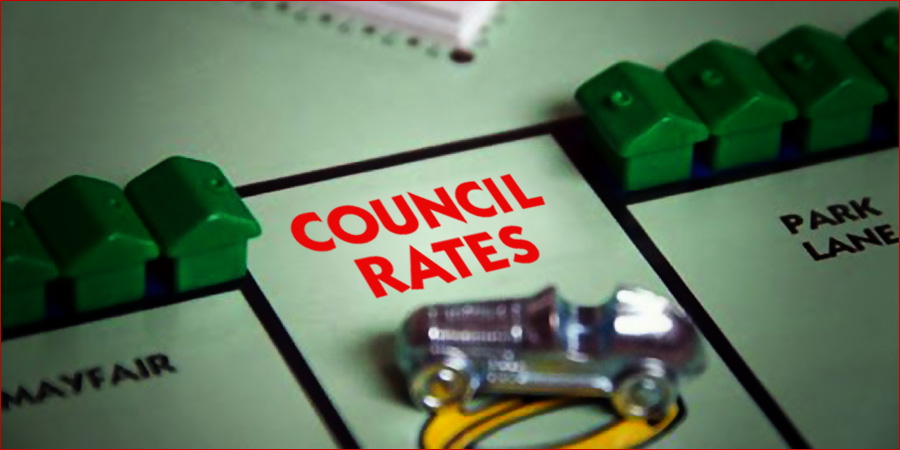
Public discussion about the legitimacy of local councils in Australia has grown in online spaces where the Australian Constitution is often misinterpreted or misrepresented. A common claim is that because the Constitution only defines Commonwealth and States responsibilities, local government must therefore be unconstitutional. This article outlines where these ideas come from, why they’re misleading, and what the law actually says ...

12 ways legacy media misrepresents the Israel–Palestine conflict
28 December 2025
Since the Bondi shooting on 14 December 2025, coverage of the Israel–Palestine conflict has saturated Australian media, with claims of rising antisemitism, Islamic extremism, and competing beliefs about the “real” issue dominating the debate. Some claim the truth is complex, insisting we need to go back thousands of years in history to fully understand the situation, while others blame Australian immigration policy...

Evaluating Trust
14 October 2025
The following is a short excerpt from my final research assignment for the Legal Research Capstone unit of my law degree, entitled: Evaluating trust and vaccine hesitancy: Factors for consideration within the framework of SDG3. This section exploring the psychology of trust stood out to me as one worth sharing ...

A NEAT way to bypass the Australian Constitution
2 June 2025
On 19 June 2003, five justices of the High Court of Australia handed down their decision in what appeared to be a routine commercial dispute. In the Neat Domestic Trading case, a small grain exporter challenged the decision of a significantly larger company that held statutory authority to approve all bulk wheat export licences, and this seemingly unremarkable case gave the government a tidy little workaround to one of the few protections offered by our Constitution ...

ACT government to review euthanasia access for patients with diminished capacity
12 May 2025
In a development unprecedented within Australia, the ACT Labor government will consider expanding voluntary assisted dying laws to encompass patients who have lost decision-making capacity — a decision that has reignited long-standing concerns regarding the so-called "slippery slope" of euthanasia legislation ...


